Earth 2 Streamline Icon: https://streamlinehq.com Chicago ou Los Angeles North America Calendar 3 Streamline Icon: https://streamlinehq.com 17 days Trip Distance Streamline Icon: https://streamlinehq.com 3620 KM

On the Road of American Icons

Starting from €3,855 /person
Starting from
€3,855
Elodie
Roadtrip offered by Elodie
Expert in motorcycle travel in the USA – based in Quebec

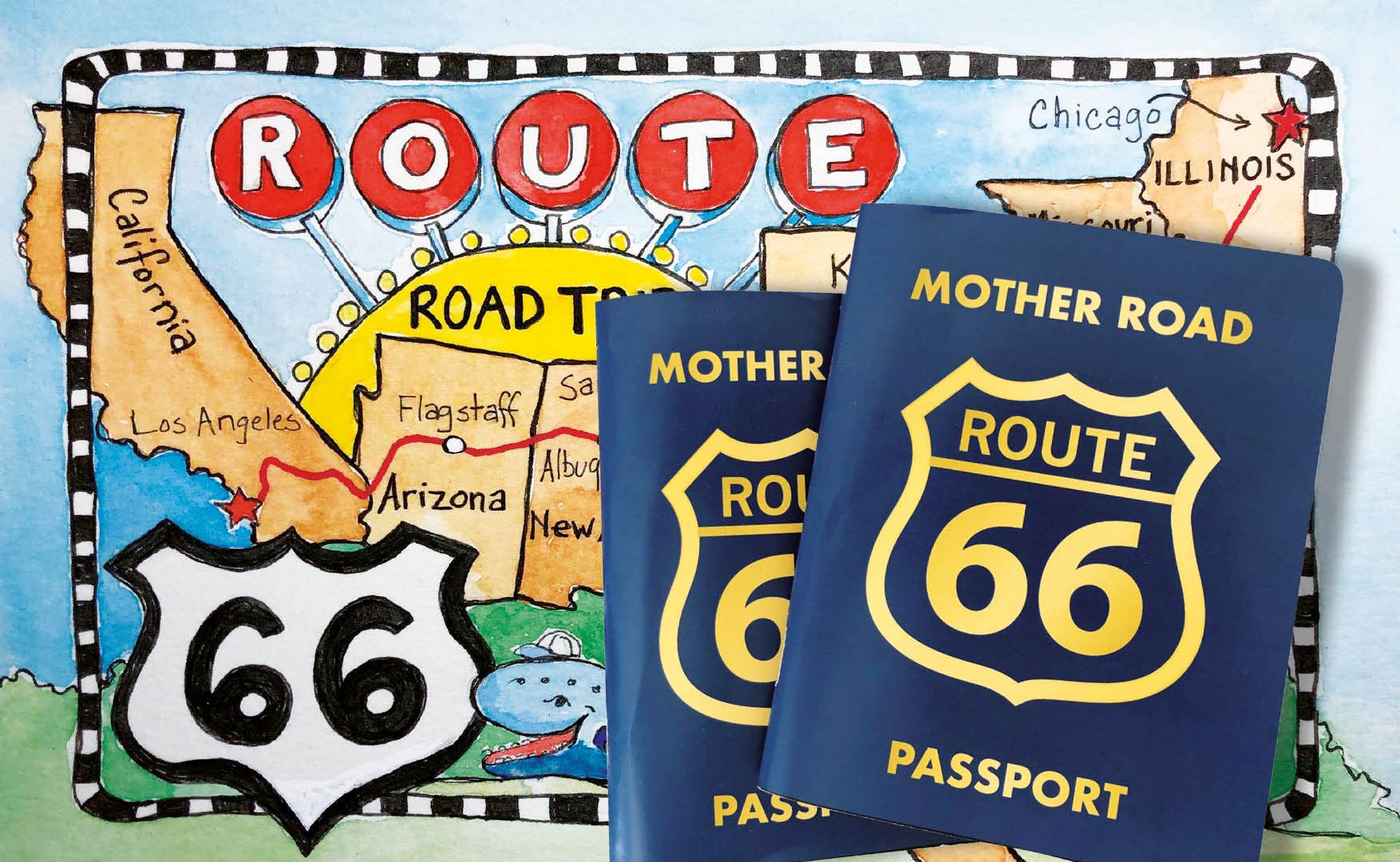
Cross the United States along the legendary Route 66, where breathtaking landscapes, American culture and iconic experiences come together.

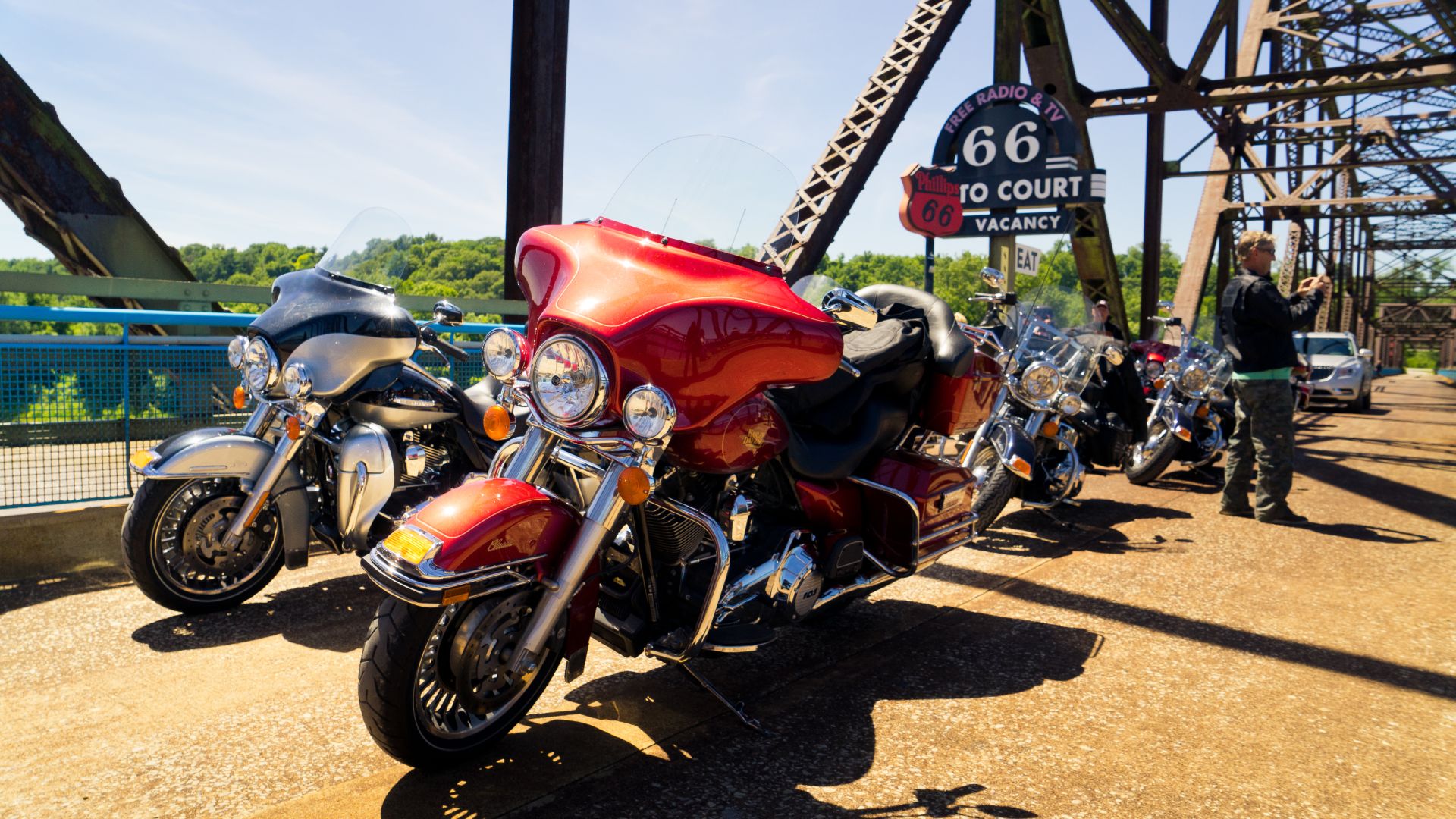
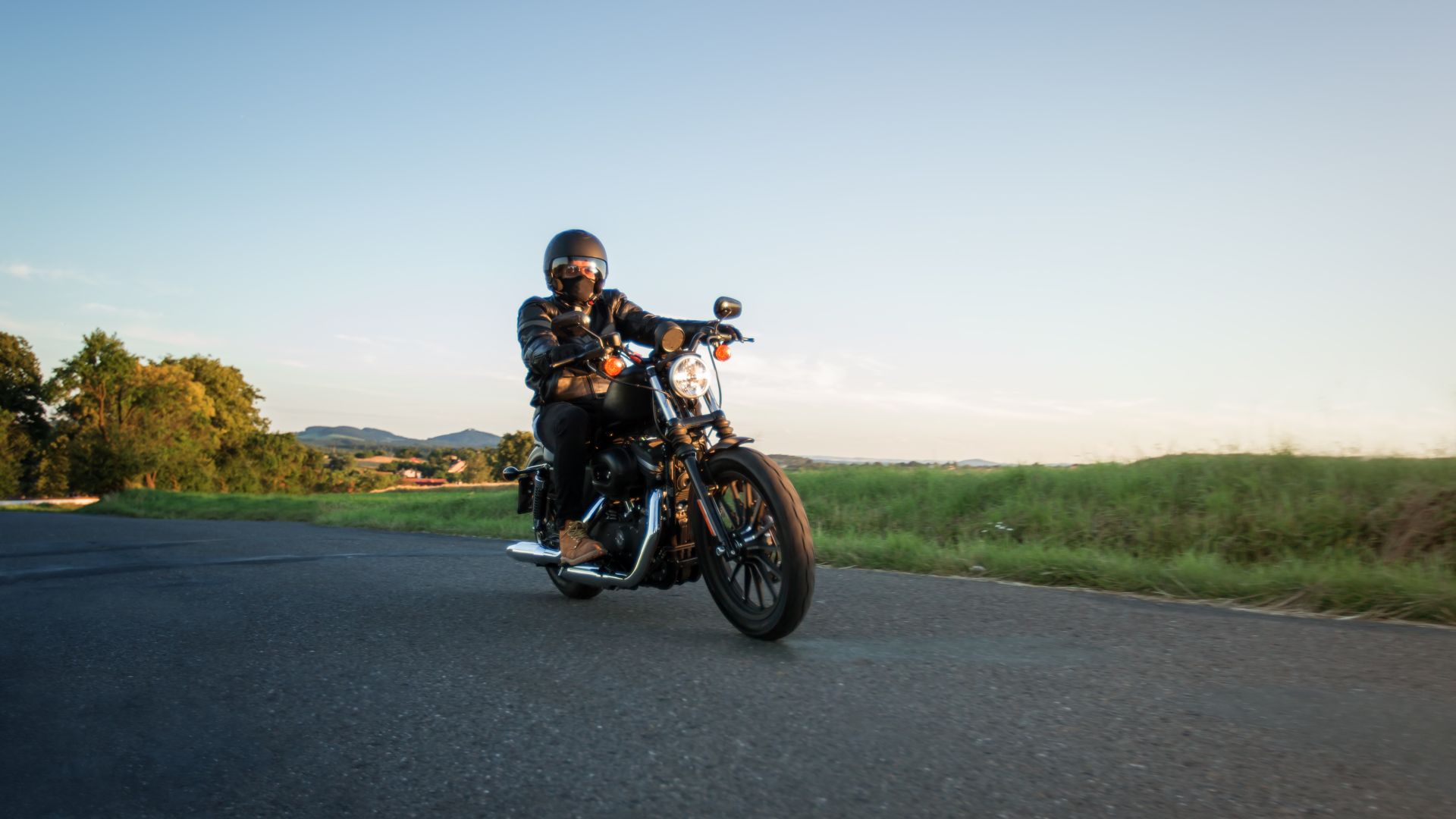
Set off on one of the most legendary roads in the world. From Chicago to Santa Monica, this 17-day road trip follows the iconic Route 66 through the vast plains of the Midwest, the Native American lands of New Mexico, the spectacular landscapes of Arizona and the deserts of California. Between iconic cities, retro motels, historic neon signs, the Grand Canyon, Las Vegas and the Pacific Ocean, experience a unique immersion into the America of legends, freedom and endless open roads.
You will love
  • Check iconRide through the most iconic locations of the Mother Road
  • Check iconMuseums, historic landmarks and American culture at every stop
  • Check iconA selection of the most legendary motels and Route 66 landmarks
Partner Image
Roadtrip offered by
Elodie
Expert in motorcycle travel in the USA – based in Quebec
Discover our expert

Day-by-day itinerary

Day 1

Arrival in Chicago

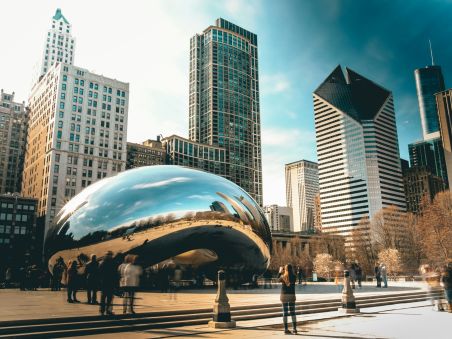
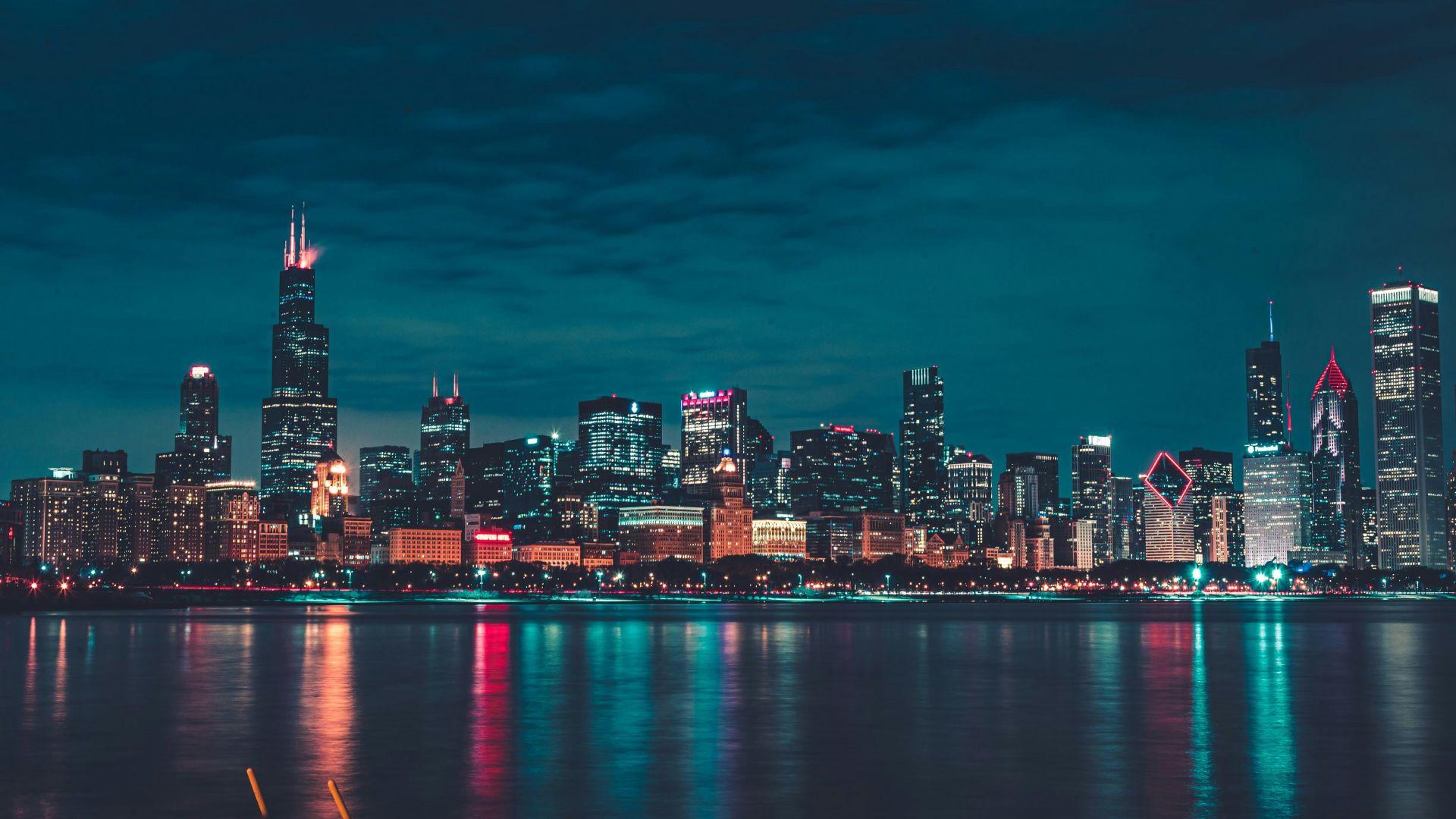
Your adventure begins upon arrival at Chicago O’Hare International Airport (ORD), one of the most important aviation hubs in the United States. From the moment you step off the plane, you can already feel the unique energy of the city where Route 66 was born. After checking into your hotel, enjoy your first immersion into Chicago’s urban atmosphere. The Loop is an open-air museum of American architecture, featuring pioneering skyscrapers, elevated train lines, Art Deco façades and landmarks of the renowned Chicago School of architecture. Your hotel is located in the very heart of this iconic district. This is no coincidence: it is here that the story of Route 66 begins, where industrial America, modern architecture and popular culture came together to create one of the world’s greatest road legends. In the late afternoon, head up to a panoramic viewpoint to admire the city skyline. As the sun slowly sets over Lake Michigan, golden reflections dance across the glass and steel towers. It is the moment when you realise that this journey will be much more than a road trip—it will be a journey through the history of America itself. Enjoy a free evening and a well-deserved rest. While your body adjusts to the time difference, your mind begins to anticipate the adventure ahead. Tomorrow, the riding does not begin yet... but the story already has.
Day 2

Chicago

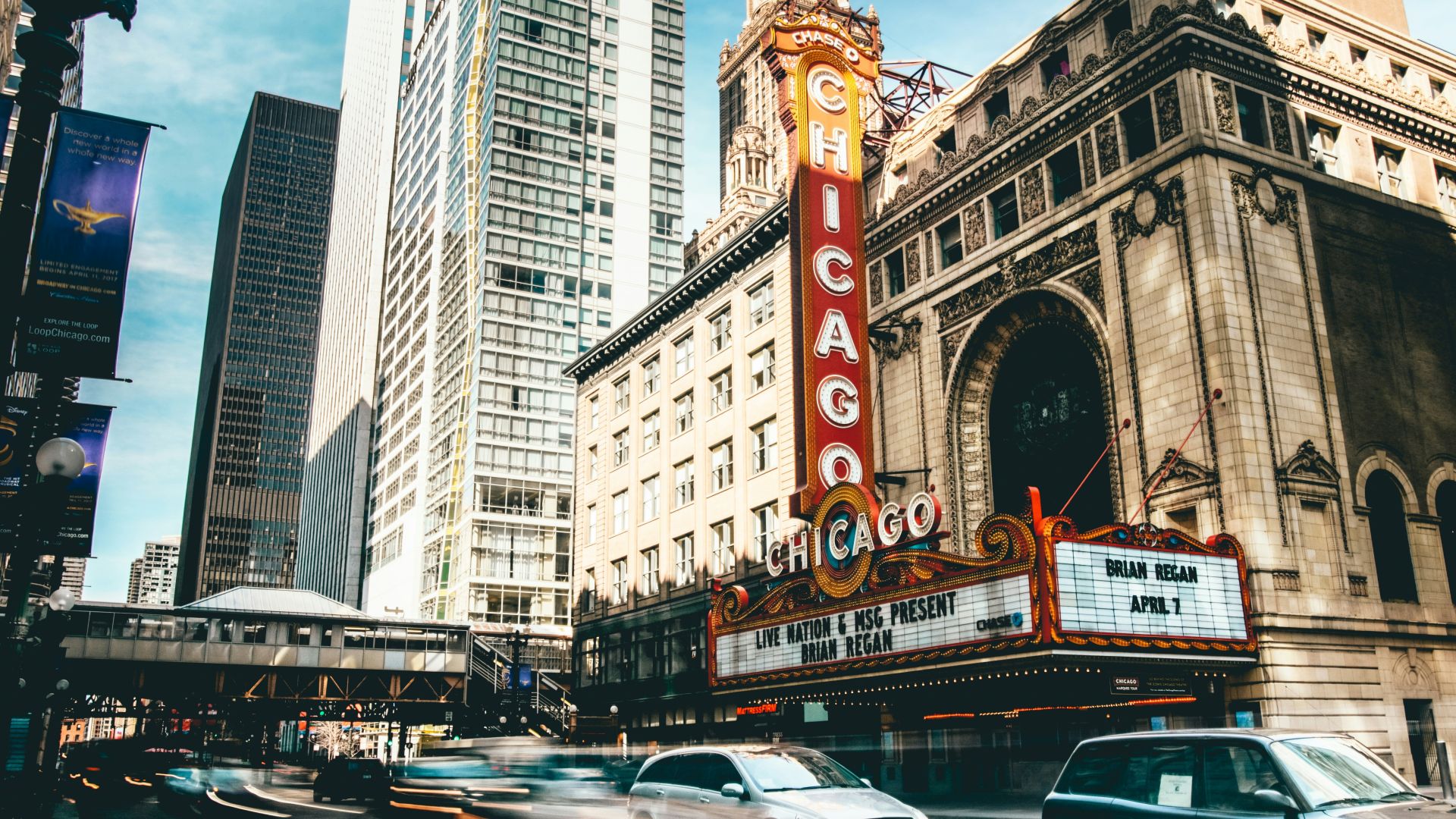
This morning, join a guided walking tour of The Loop with a French-speaking expatriate who has called Chicago home for many years. He knows the city inside out—its hidden corners, its contradictions and, above all, the stories that never make it into the guidebooks. As you explore the city streets, you begin to understand why Route 66 started here: Chicago was the perfect gateway between industrial America and the vast frontiers waiting to be discovered. Late in the morning, you stop beneath the iconic “Begin Historic Route 66” sign at the intersection of Adams Street and Michigan Avenue. The traditional photo taken here is more than a souvenir—it marks the true beginning of your journey. Lunch is served at Lou Mitchell’s, a Chicago institution that has welcomed travellers since 1923. Long before Route 66 was officially established, adventurers stopped here for a meal before heading west. Today, dining here remains one of the great rituals of the Mother Road. The afternoon is yours to enjoy at your own pace: browse vintage shops, visit museums, wander through the city or simply take in its atmosphere. Chicago reveals its character best when you slow down and observe. In the evening, immerse yourself in the city’s musical heritage at a legendary jazz club, a direct heir to Chicago’s rich African American history. The day concludes with a taste of the famous deep-dish pizza—hearty, indulgent and unmistakably American. This day serves as a bridge between city life and the open road. Tomorrow, the motorcycles take centre stage, the skyline fades into the distance, and Route 66 truly begins.
Day 3

Chicago - Springfield

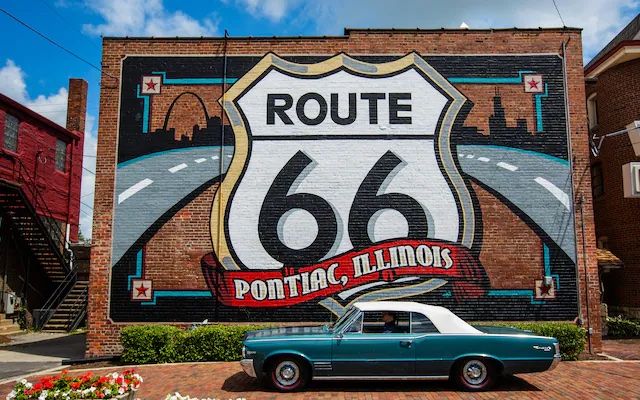
Departing early from The Loop, you head to the rental depot to collect your motorcycle (or SUV). This moment marks a true transition: the dense urban landscape gradually gives way to a broader, more open America. Your first stop is in Wilmington, home to the iconic Gemini Giant. This towering fiberglass figure is one of the classic roadside attractions created in the 1950s to draw travellers off the highway. It perfectly embodies the commercial and carefree spirit of Route 66. In Joliet, pause outside the former prison made famous by The Blues Brothers, before admiring the historic Rialto Square Theatre, which opened in 1926 and remains a symbol of America’s golden age of entertainment. The route then continues to Pontiac, a paradise for lovers of motoring history and road culture. The Route 66 Hall of Fame, giant murals and the Pontiac Museum showcase America’s fascination with the open road. Later in the day, stop in Litchfield at the Skyview Drive-In, an open-air cinema operating since 1950. Even without attending a screening, the site evokes an era when the automobile stood at the centre of American life. By evening, you arrive in Springfield for the night. Dinner can be enjoyed at Obed & Isaac’s or at the famous Cozy Dog Drive-In, renowned for popularising the classic American corn dog.
350 km
Show next daysHide days
Day 4

Springfield - Saint Louis

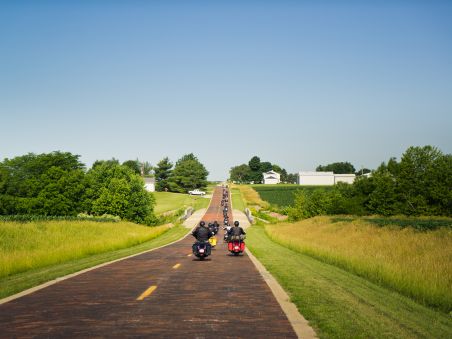
Before leaving Springfield, a discreet but important reminder: this is where Abraham Lincoln lived. Along Route 66, American history is never far away. As you depart the city, you travel along the Illinois Brick Road, one of the last remaining original brick-paved sections of the Mother Road. The experience is tangible—the uneven surface offers a direct connection to the route’s earliest days. We recommend a stop in Cuba, Missouri, known as the “Route 66 Mural City.” This charming town is home to fourteen outdoor murals depicting scenes from both local and national history. Continue with a break in Carlinville before gradually entering the St. Louis metropolitan area. The scenery becomes increasingly urban and industrial, shaped by the mighty Mississippi River. Upon arrival, take time to explore downtown on foot. The Gateway Arch dominates the skyline, symbolising America’s westward expansion even more than Route 66 itself. The impressive stadium complex set within the city is also worth a look. In the evening, don’t miss a stop at Ted Drewes Frozen Custard, a local institution since 1929, famous for its rich and iconic frozen custard desserts.
180 km
Day 5

Saint-Louis - Joplin

Leaving St. Louis behind, Route 66 gradually moves away from major highways and returns to a more intimate scale. The miles unfold through a succession of small towns and agricultural landscapes typical of the American Midwest. It is here that you begin to understand that Route 66 is more than a legendary road—it was also a vital lifeline travelled for decades by families, workers and countless anonymous adventurers. Arriving in Joplin marks an interesting transition. The city has carefully preserved and highlighted many aspects of its Route 66 heritage, particularly through restored neon signs and vibrant murals. A self-guided walk along the Route 66 Mural & Neon Photo Tour offers an open-air journey through local history, the golden age of the Mother Road and its modern revival. A stop at Joplin Avenue Coffee is highly recommended. This independent café, known for its contemporary atmosphere, is popular with both locals and travellers and provides the perfect place to experience the city’s rhythm. The evening is free, allowing time to explore downtown at your own pace or simply relax and enjoy the slower pace of life after a day on the road.
450 km
Day 6

Joplin - Tulsa

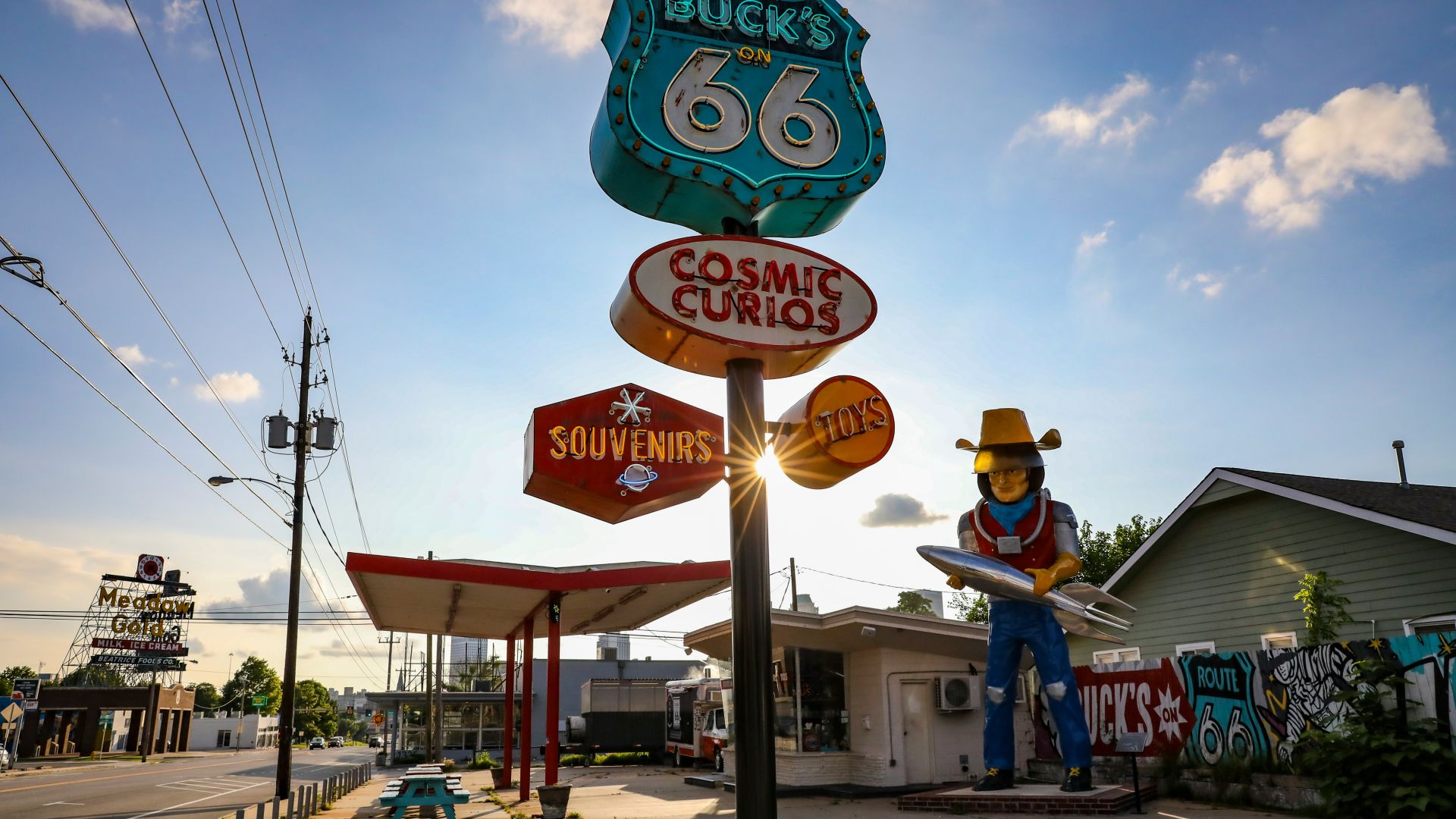
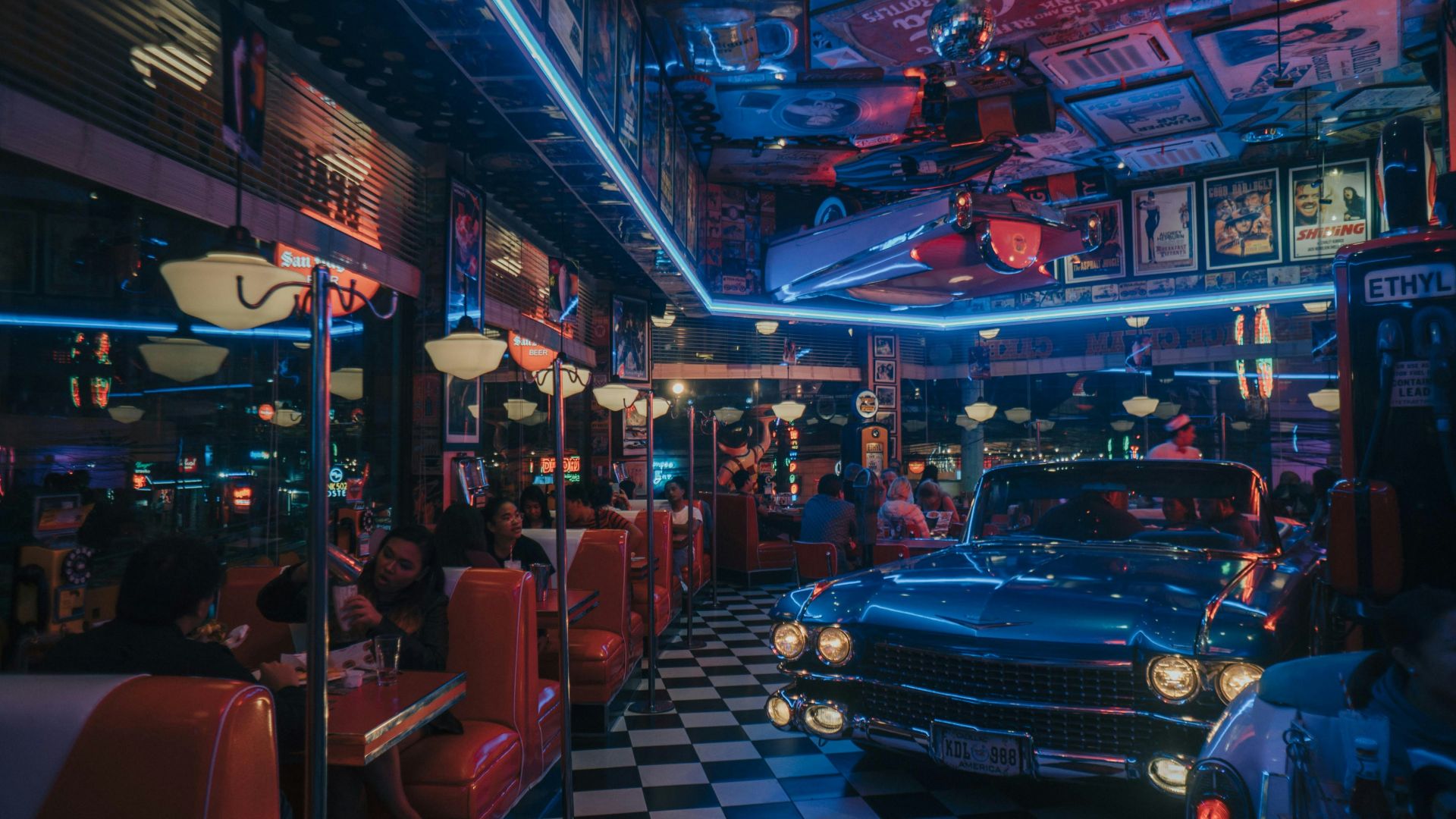
Entering Oklahoma feels like a gradual transition. The landscapes open up, the straight roads stretch farther into the distance, and the vast spaces of America’s heartland begin to reveal themselves. Tulsa is a key stop for understanding the cultural impact of Route 66. One of the highlights of the day is a visit to the Woody Guthrie Center. Guthrie, one of the most influential figures in American folk music, gave a voice to the Dust Bowl migrants, many of whom travelled along Route 66 in search of a better future. The museum connects music, social history and the road itself, adding a deeper perspective to the journey. Later in the day, head to 11th Street, Tulsa’s historic Route 66 corridor. Neon signs, vintage motels and classic diners evoke a time when the road was a constant flow of travellers and stories. For dinner, we recommend Mother Road Market, a modern food hall that reimagines the spirit of Route 66 through a diverse culinary offering. Depending on your mood, the evening can continue in a local venue featuring live music, where country and rockabilly sounds keep the spirit of the Mother Road alive.
200 km
Day 7

Tulsa - Clinton

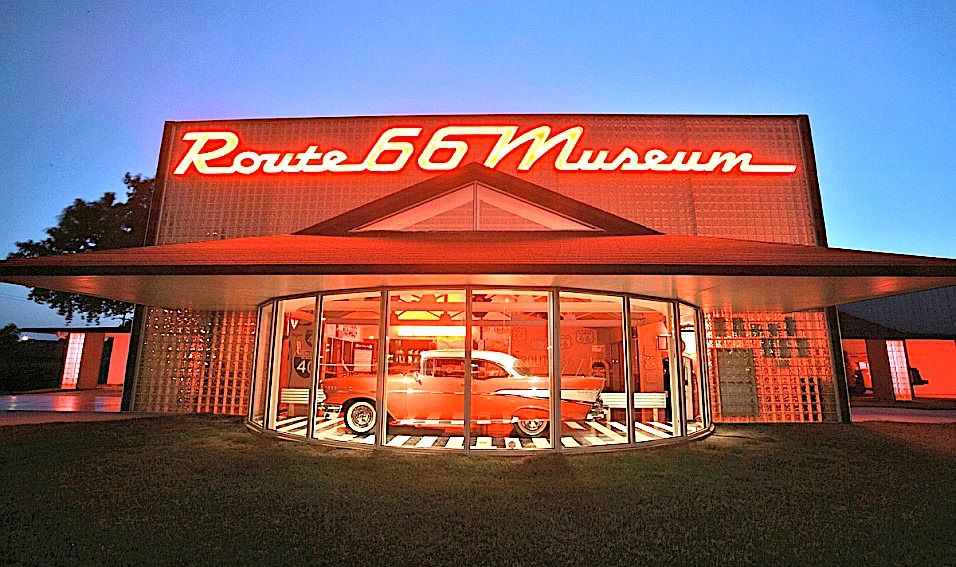
The journey between Tulsa and Clinton highlights just how important Route 66 was to the development of Oklahoma. The landscape remains wide and open, dotted with small towns that owe much of their existence to the Mother Road. In Clinton, the Oklahoma Route 66 Museum is an essential stop for anyone seeking to understand the American myth. Through immersive exhibits, vintage vehicles, everyday artefacts and extensive visual archives, the museum tells the complete story of Route 66. It reveals how the road evolved from a simple transportation corridor into a globally recognised cultural icon. The remainder of the day is intentionally more relaxed, allowing time to reflect on the miles already travelled and to soak up the road-trip atmosphere that still lingers throughout the town. Overnight accommodation is in a classic roadside-style motel, perfectly aligned with the spirit of the Route 66 experience.
330 km
Day 8

Clinton - Amarillo

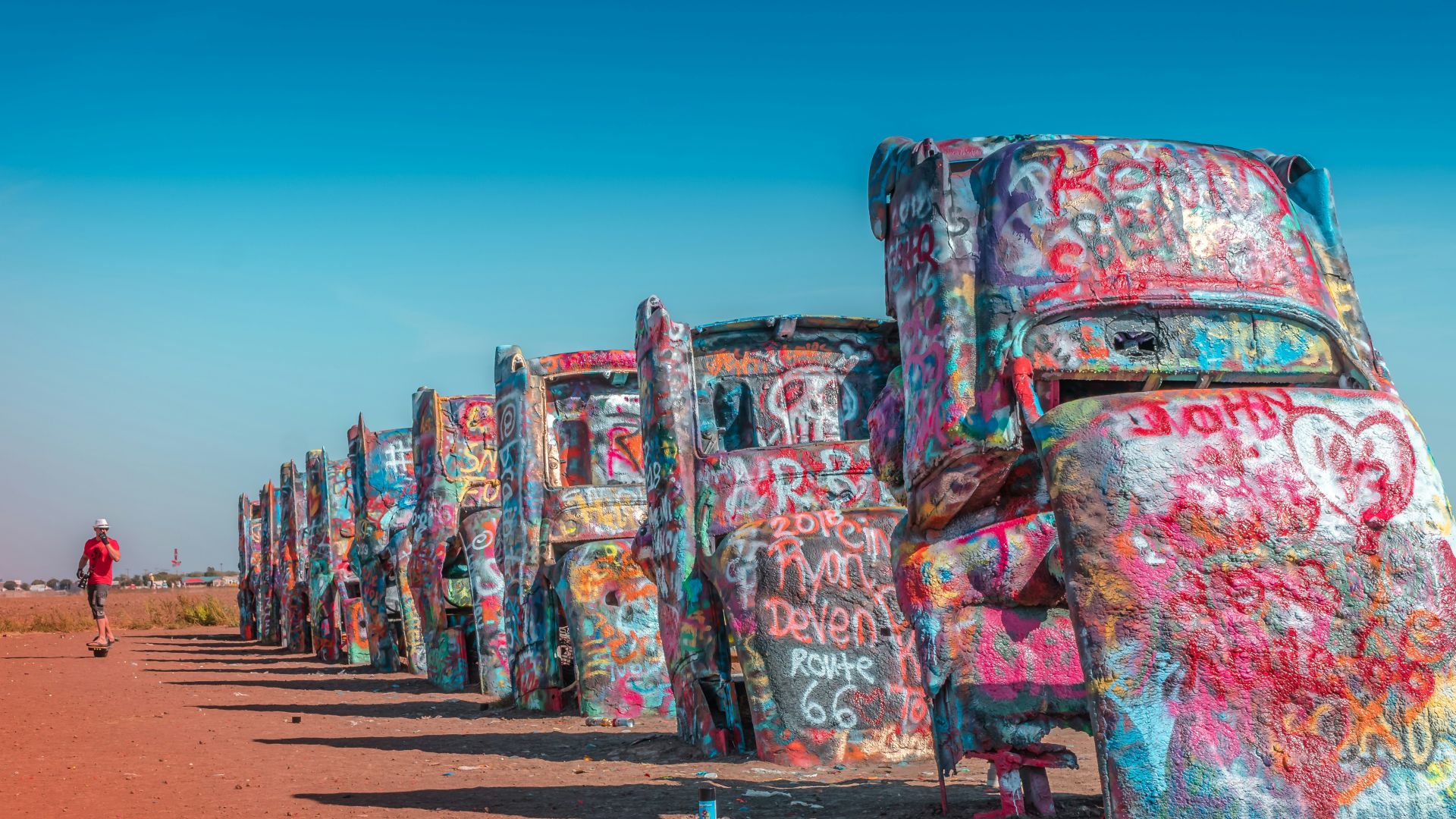
Leaving Oklahoma behind, the landscape opens up even further. The transition into Texas is immediately noticeable through the immense scale of the surroundings and the endless straight roads stretching towards the horizon. One of the day’s must-see stops is Cadillac Ranch, an iconic art installation featuring a row of half-buried Cadillacs standing nose-first in the Texas soil. Created in 1974, the artwork was designed to evolve over time, with visitors encouraged to leave their own mark on the colourful vehicles. Few places capture the free-spirited and participatory nature of Route 66 quite so perfectly. Upon arrival in Amarillo, you check in at the Big Texan Motel, a deliberately kitsch and entertaining property that fully embraces classic Western themes. Next door stands the famous Big Texan Steak Ranch, renowned for its legendary 72-ounce steak challenge. Even if you have no intention of taking part, watching others attempt the feat is an attraction in itself.
280 km
Day 9

Amarillo - Santa Fe

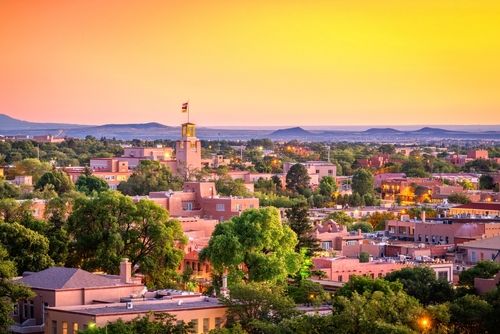
The route gradually leaves the Great Plains behind and enters a more rugged, mineral landscape. The colours shift, the light becomes drier and more intense, signalling your approach to New Mexico. Arriving in Santa Fe brings a noticeable change of atmosphere. One of the oldest cities in the United States, Santa Fe is renowned for its distinctive adobe architecture and its deep connections to Native American and Hispanic cultures. The day is dedicated to exploring the historic centre at a relaxed pace, wandering through Native American art galleries, centuries-old churches and peaceful streets full of character. In the evening, head to the nearby hills to admire the sunset, where the legendary spirit of the American Southwest reveals itself in all its splendour. Dinner can be enjoyed at Upper Crust Pizza, located in a traditional adobe-style building. Overnight stay in a city that perfectly embodies the imagination and heritage of the American Southwest.
440 km
Day 10

Santa Fe - Albuquerque

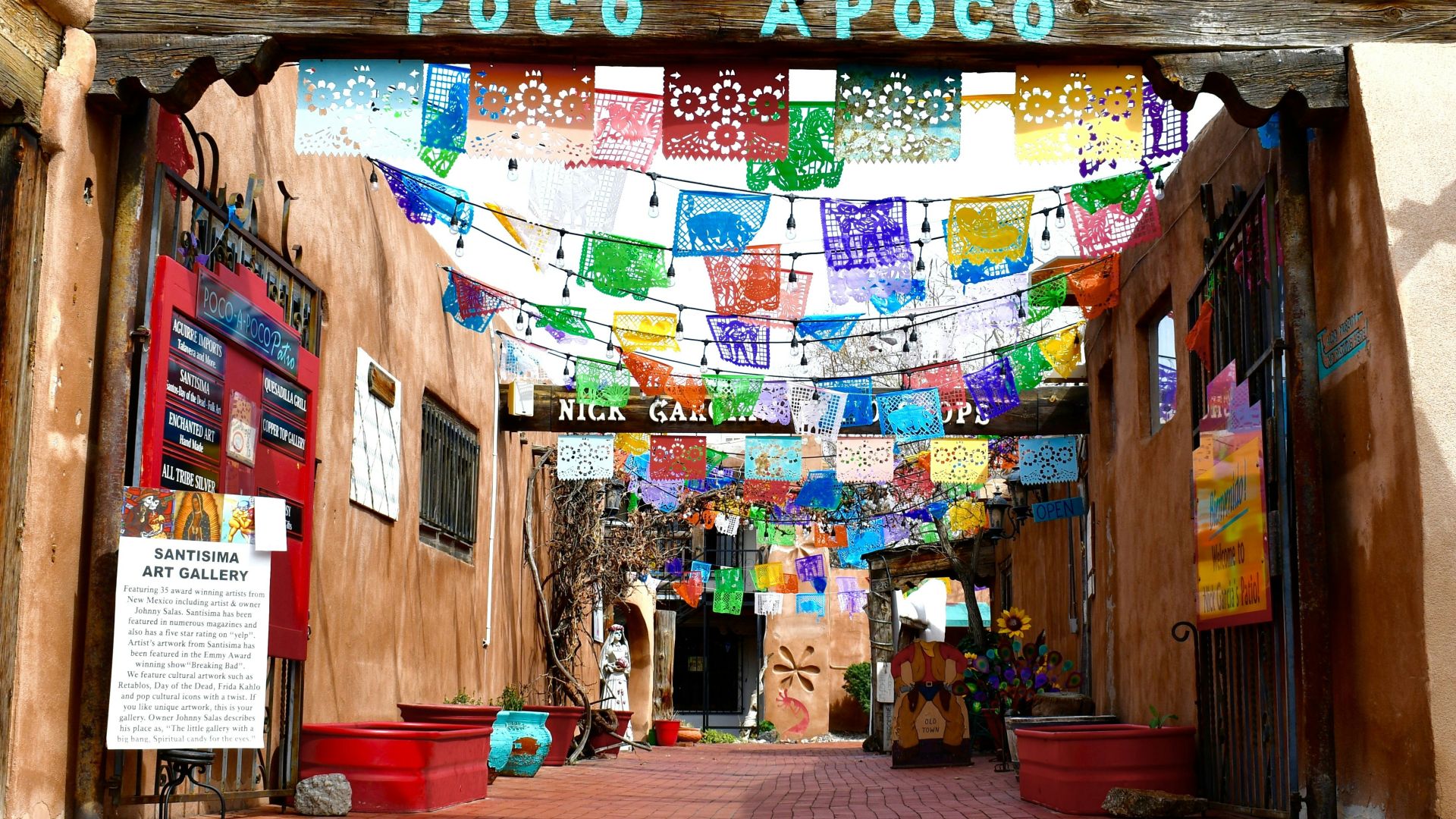
The ride between Santa Fe and Albuquerque is relatively short, and rather than taking the most direct route, we recommend following the Turquoise Trail National Scenic Byway, a designated scenic road celebrated for both its cultural and natural heritage. This historic route winds through rolling hills, mesas and former mining communities, offering a more intimate perspective on New Mexico. Along the way, you pass through Madrid and Cerrillos, once-thriving mining towns that have reinvented themselves as artistic communities filled with galleries, cafés and beautifully preserved historic buildings. Arrival in Albuquerque takes place via Central Avenue, the original Route 66 alignment through the city. Albuquerque still preserves many reminders of the Mother Road era, including restored neon signs, vintage motels, bars and craft breweries. Fans of Breaking Bad may enjoy visiting some of the series’ filming locations, but the real pleasure lies in wandering freely from place to place and soaking up the atmosphere. Take time to explore Old Town, the city’s historic district, with its adobe architecture and distinctive Southwestern character. The evening is best enjoyed on foot, immersed in local life. A visit to El Vado Tap Room is highly recommended—a craft brewery located within a restored historic Route 66 motel and one of the best places in town to enjoy a local beer.
120 km
Day 11

Albuquerque - Gallup

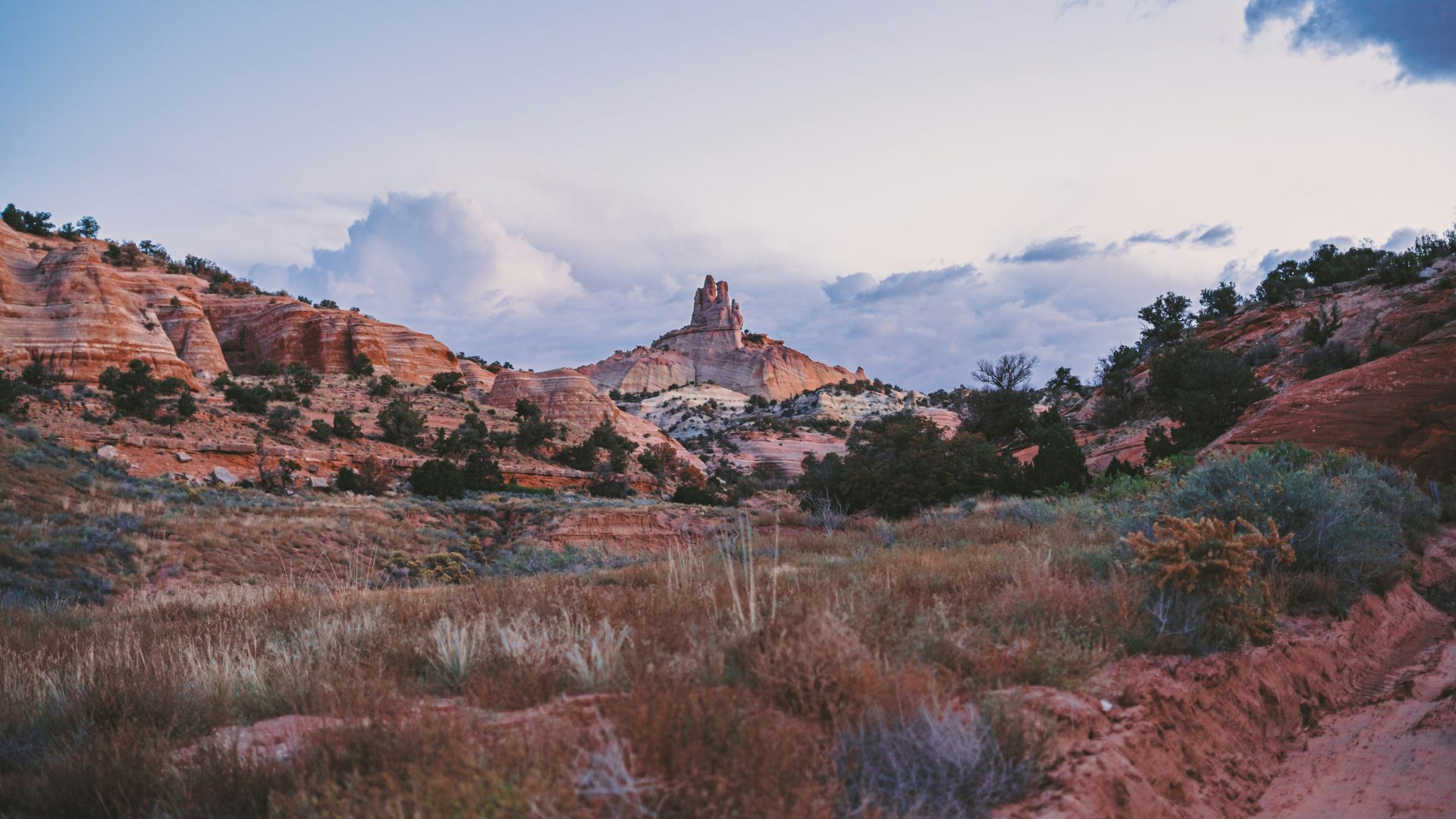
The route crosses vast high desert plateaus towards Acoma Pueblo, a Native American village dramatically perched atop a mesa and considered one of the oldest continuously inhabited communities in North America. The landscape becomes increasingly rugged and mineral, dominated by wide-open spaces and striking rock formations. Along the way, stop in Grants, known as the gateway to El Malpais and El Morro National Monuments, where volcanic terrain, lava fields and spectacular sandstone formations provide a dramatic contrast to the plains travelled in previous days. Lunch is recommended at Surf Shack Pizza, surrounded by vintage neon signs that evoke the golden age of Route 66. Upon reaching Gallup, a visit to the Gallup Cultural Center offers valuable insight into the cultural heritage of the American Southwest. Housed in a historic railway station, the centre highlights the traditions and history of the Navajo, Zuni and Hopi peoples, whose presence remains deeply rooted throughout the region. Through exhibitions featuring traditional artefacts, contemporary artworks and historical archives, visitors gain a deeper understanding of cultural transmission, identity and connection to the land. The centre also explores the complex relationship between Route 66 and Indigenous communities, balancing economic opportunities with cultural change. This stage adds an essential human and historical dimension to the journey before continuing westward. Tonight, you stay in a former Hollywood filming location. The hotel lobby, adorned with photographs of famous movie stars, recalls an era when filmmakers came here in search of spectacular natural backdrops.
220 km
Day 12

Gallup - Williams

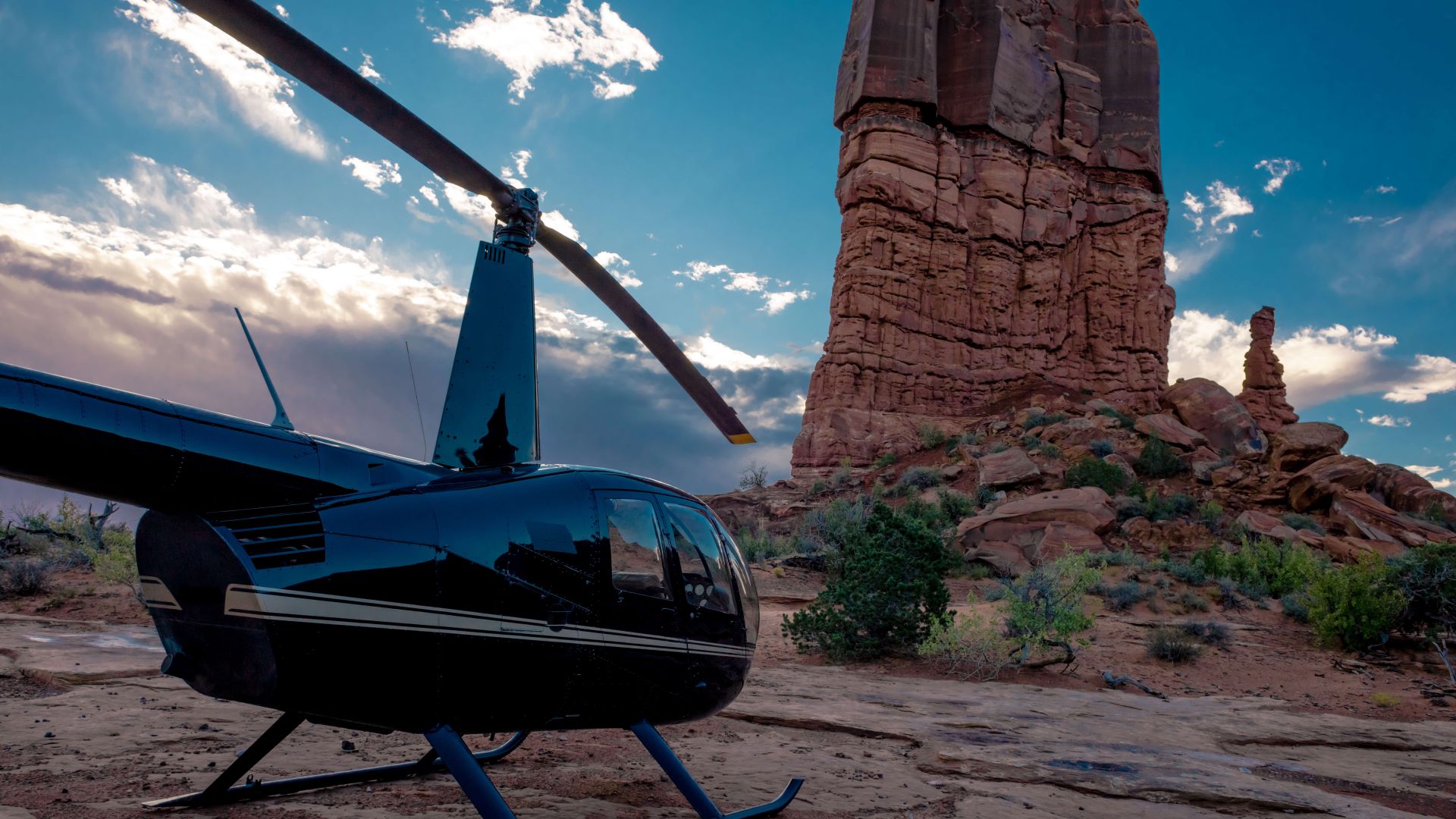
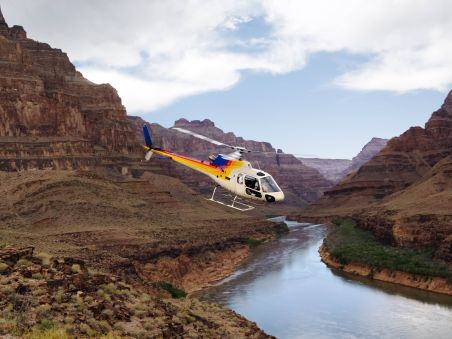
Leaving Gallup behind, Route 66 crosses a region where the landscape begins to tell a different story of America. A recommended first stop is Lupton, home to the Yellowhorse Trading Post, an iconic place of exchange between travellers and Navajo communities. Here you will find turquoise jewellery, local crafts and traditional artefacts, but above all an authentic glimpse into the connection between the road and the people who have lived on these lands for generations. The route then follows the edge of the Petrified Forest National Park before reaching Holbrook, a town deeply rooted in Route 66 history and known for its vintage motels and enduring roadside atmosphere. In Winslow, stop at the famous street corner immortalised by the Eagles’ song Take It Easy, now a cultural landmark as much as a musical one. The afternoon is dedicated to the Grand Canyon, whose gradual approach builds anticipation before revealing one of the most awe-inspiring landscapes in the world. As the sun begins to set, the canyon’s immense scale becomes even more striking, highlighting why it remains one of the defining symbols of the American West. An optional helicopter flight over the Grand Canyon is available for those wishing to experience this natural wonder from above.
350 km
Day 13

Williams - Kingman

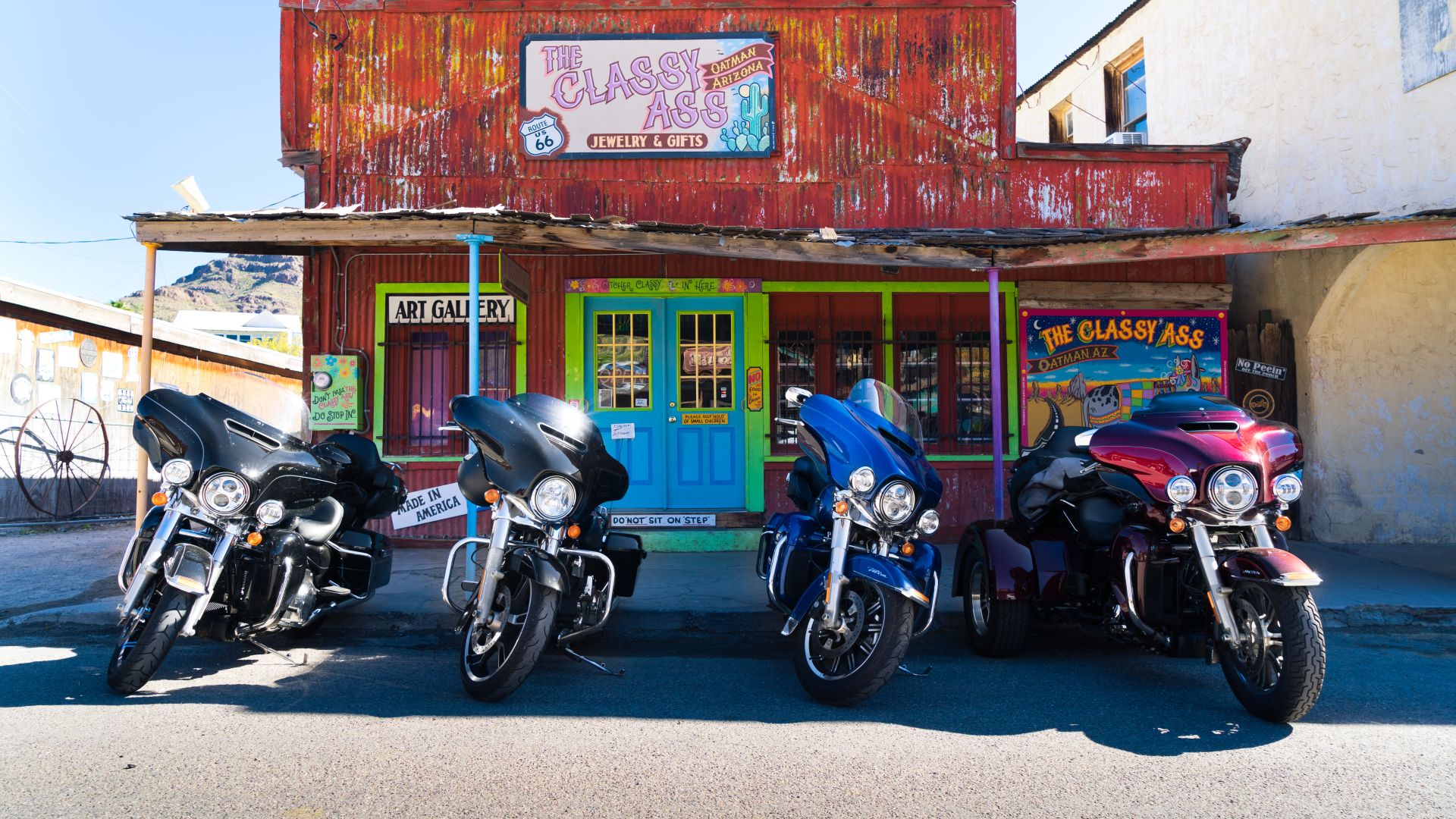
The day begins in Williams, the last town on Route 66 to be bypassed by the Interstate Highway system. This unique distinction explains the town’s deep connection to the Mother Road. A first stop is recommended at Pete’s Gas Station Museum, a beautifully preserved 1940s service station that recalls the era when Route 66 dictated the rhythm of daily life. The route then continues to Seligman, often regarded as the birthplace of the Route 66 revival. It was here that former barber Angel Delgadillo led the movement to preserve the historic highway and prevent it from disappearing into history. His barbershop has since become a pilgrimage site for Route 66 enthusiasts from around the world. A break at the historic Black Cat Café is also highly recommended. Once frequented by cowboys, railroad workers and truck drivers, it still preserves a simple and authentic atmosphere. Continuing towards Kingman, Route 66 crosses increasingly arid landscapes characterised by long straight roads and distant mountain ranges. Upon arrival, visit the Powerhouse Route 66 Museum, housed in a former power station and dedicated to the history of Route 66 in Arizona. For those interested, an optional detour to Oatman is possible. This former mining town is now famous for the wild burros that roam freely through its main street, offering a living reminder of the Gold Rush era.
185 km
Day 14

Kingman - Las Vegas

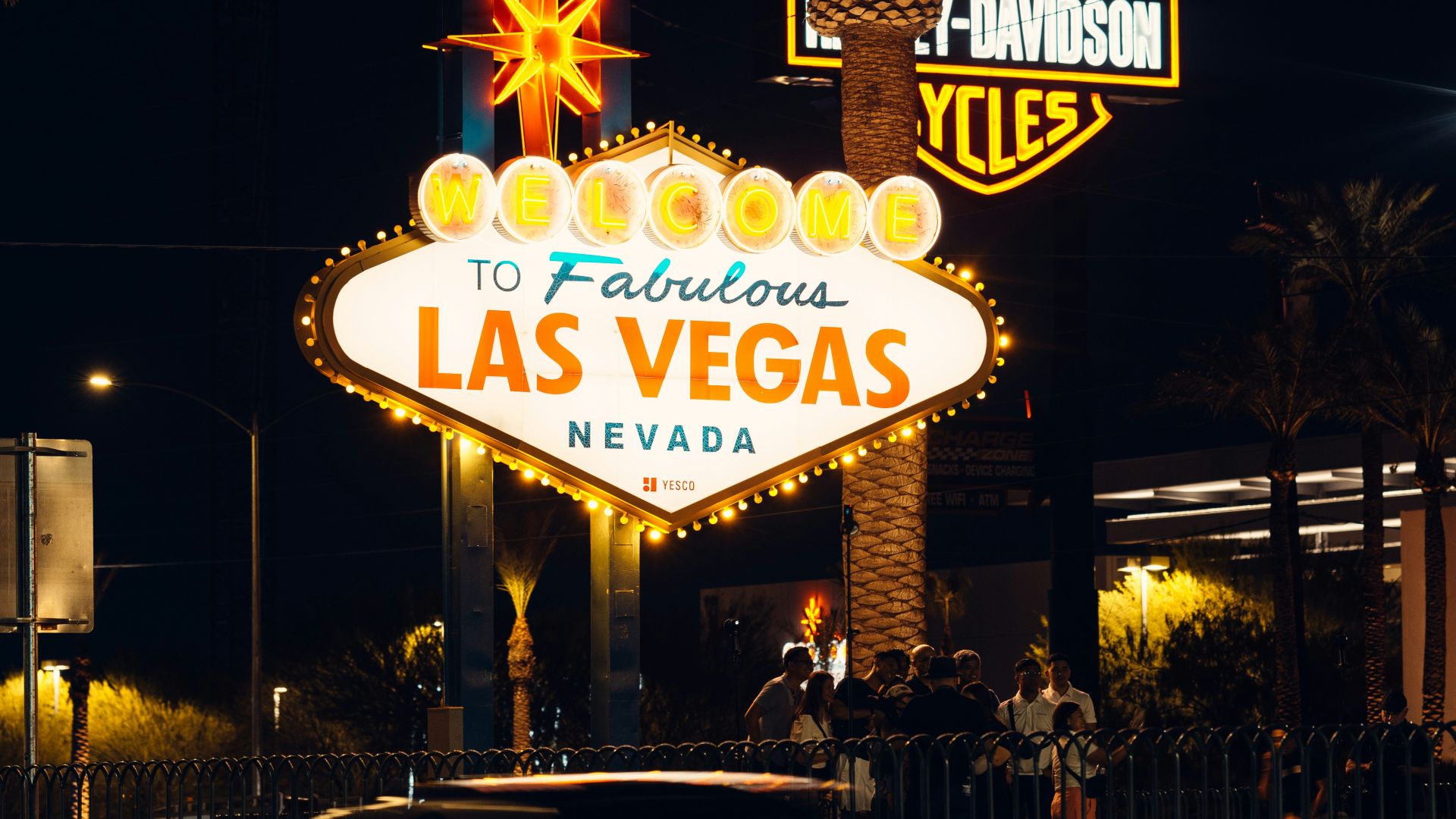
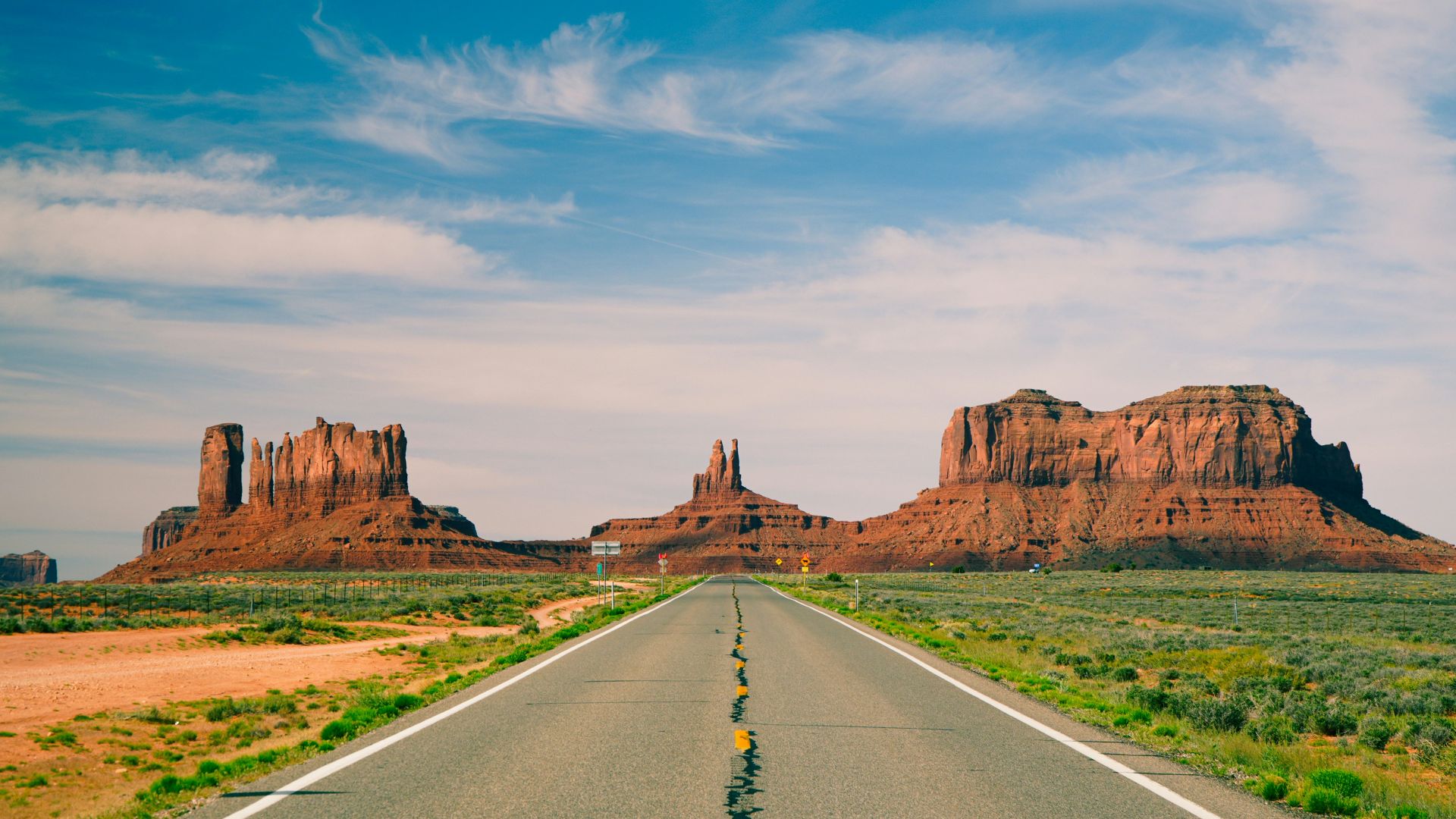
Leaving Kingman behind, Route 66 gradually gives way to a more direct desert crossing. The scenery becomes increasingly mineral and stark, shaped by the heat, endless straight roads and the vast landscapes that have defined the American road-trip imagination for generations. This stage highlights the contrast between the rural America explored over the previous days and today’s destination. Las Vegas suddenly appears on the horizon, representing a complete break from the world of Route 66. The city embodies a different American myth—one of excess, entertainment and illusion. Upon arrival, check in at the legendary Caesars Palace, a global symbol of grandeur, marble-clad luxury and cinematic extravagance, perfectly illustrating Las Vegas’ ability to create entire worlds from imagination. In the evening, you may choose to join an optional limousine tour of the Strip, immersing yourself in the dazzling spectacle of neon lights, iconic casinos and larger-than-life attractions. This two-hour experience captures the essence of luxury and excess that has made Las Vegas the entertainment capital of the world, offering a true “Myth Chaser” moment. After several days of open roads and natural wonders, this stop serves as a deliberately contrasting interlude before returning to the spirit of Route 66 the following day.
170 km
Day 15

Las Vegas - Barstow

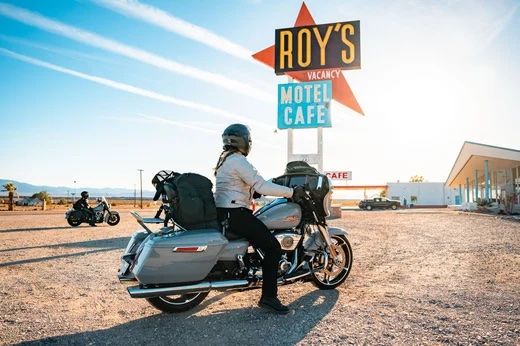
Leaving Las Vegas behind, the road quickly escapes the city’s energy and enters the vast expanse of the Mojave Desert, one of the most iconic landscapes along Route 66. The first stop is Amboy, a former roadside outpost made famous by the legendary Roy’s Motel Café. Its service station, motel and iconic neon sign remain largely unchanged since the 1950s, offering a vivid reminder of the essential role these desert stops once played for travellers crossing the American West. The journey continues to the famous Bagdad Café, immortalised by cinema and now one of the most recognisable landmarks of California’s Route 66. Isolated in the middle of the desert, this modest location perfectly captures the spirit and mythology of the Mother Road. Arrival in Barstow marks the end of the desert crossing. A visit to the Route 66 Mother Road Museum, housed in a former railway depot, provides valuable insight into the broader history of the route and the communities it connected. In the evening, enjoy a stroll through town in search of the remaining neon signs that still illuminate the legacy of Route 66.
250 km
Day 16

Barstow - Santa Monica

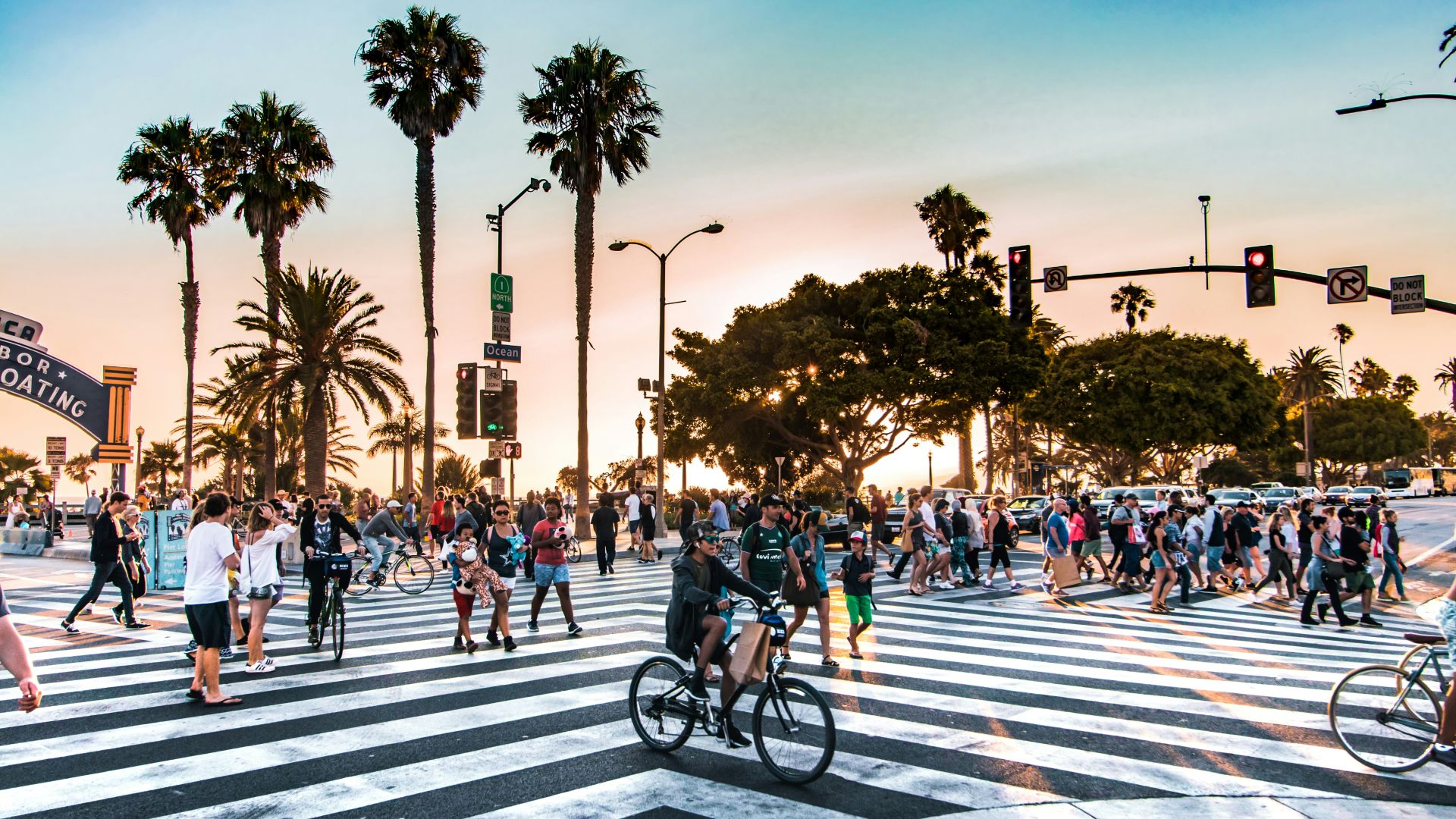
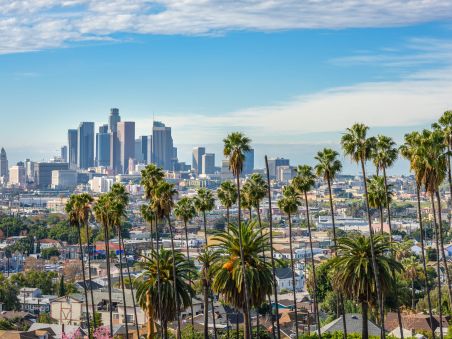
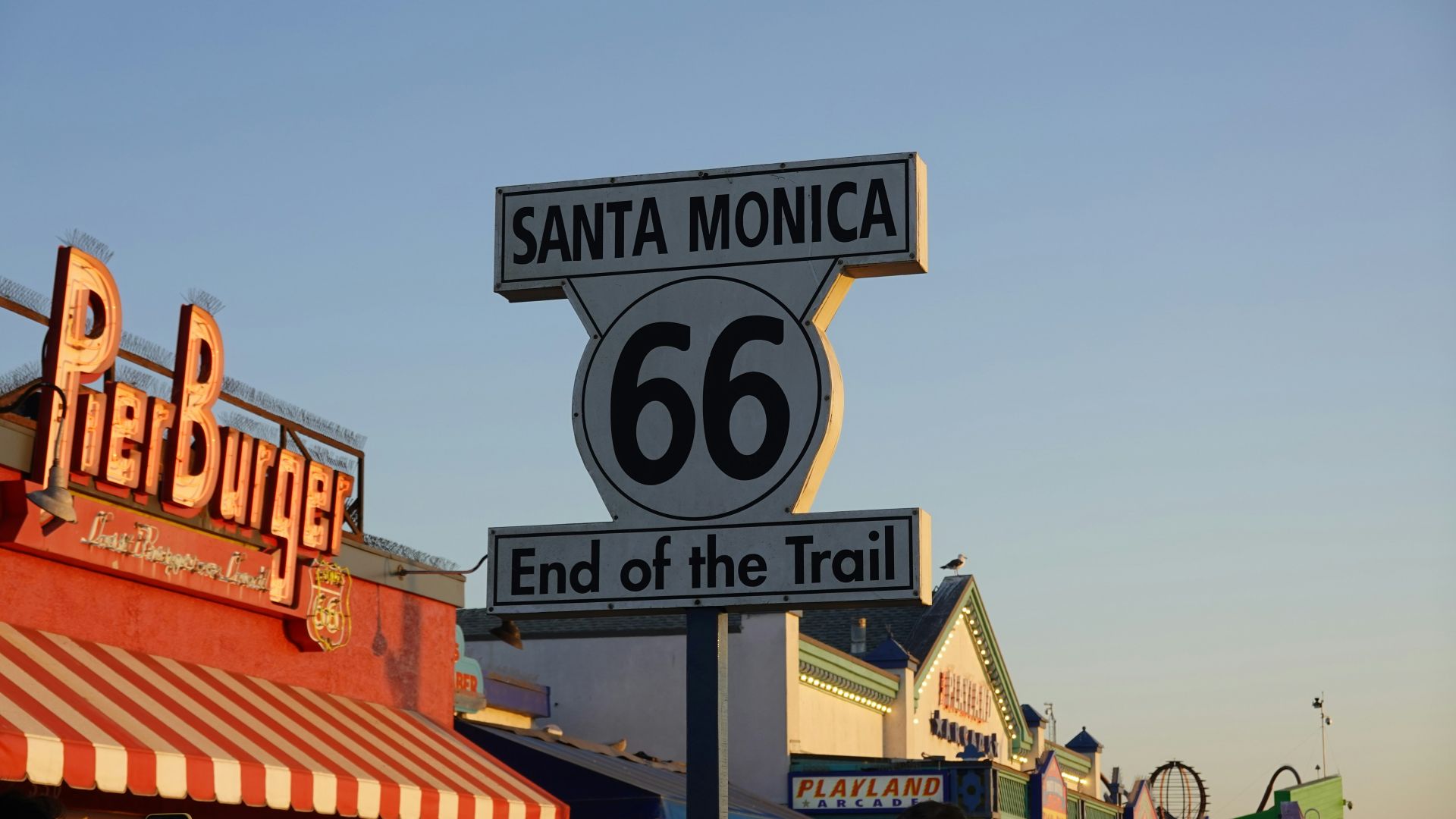
This day marks the approach to the Pacific Ocean and the official end of Route 66. Leaving Barstow behind, the scenery gradually changes: the desert begins to fade, the mountains draw closer and the urban landscape becomes increasingly dense. The route passes through San Bernardino, often considered one of the gateways to Los Angeles. It was here that the very first McDonald’s opened, symbolising the rise of modern roadside America. This stop highlights the transition from independent motels and diners to the era of mass consumption and nationwide brands. Arriving in Santa Monica is one of the most memorable moments of the journey. A photo beneath the famous “End of the Trail” sign on the Santa Monica Pier marks the completion of your crossing from Chicago to the Pacific Ocean. The contrast between the ocean horizon and the thousands of miles travelled gives this moment its full significance. After returning the motorcycles, the remainder of the day is yours to enjoy. Explore Venice Beach, stroll along the iconic Sunset Boulevard, or head up to the Griffith Observatory for panoramic views over Los Angeles. Here, Los Angeles reveals itself as a city of cinema, imagery and striking contrasts.
250 km
Day 17

Los Angeles

Today is the big day—the pinnacle of your journey has arrived! Your final day in Los Angeles is completely free, with no roads to follow and no miles left to ride. Breakfast can be enjoyed at Cindy’s, a retro diner that has been serving guests since 1948 and offers the perfect way to stay immersed in the Route 66 atmosphere until the very end. Enjoy your last moments in California, or let us arrange a final guided tour of Beverly Hills for one last glimpse of the glamour and legends of Los Angeles. Afterwards, transfer to Los Angeles International Airport (LAX) for your return flight to Europe. Route 66 officially ends here, but the memories of the Mother Road will stay with you long after the journey is over.

Experience feedback

Starting from €3,855 /person
Elodie
Roadtrip offered by Elodie
Expert in motorcycle travel in the USA – based in Quebec

Between North America and Europe, Élodie designs exceptional journeys along the iconic roads of the United States. A Route 66 specialist, she helps each traveler turn the American dream into an authentic adventure.

Discover our expert
Day 1
Arrival in Chicago
Your adventure begins upon arrival at Chicago O’Hare International Airport (ORD), one of the most important aviation hubs in the United States. From the moment you step off the plane, you can already feel the unique energy of the city where Route 66 was born. After checking into your hotel, enjoy your first immersion into Chicago’s urban atmosphere. The Loop is an open-air museum of American architecture, featuring pioneering skyscrapers, elevated train lines, Art Deco façades and landmarks of the renowned Chicago School of architecture. Your hotel is located in the very heart of this iconic district. This is no coincidence: it is here that the story of Route 66 begins, where industrial America, modern architecture and popular culture came together to create one of the world’s greatest road legends. In the late afternoon, head up to a panoramic viewpoint to admire the city skyline. As the sun slowly sets over Lake Michigan, golden reflections dance across the glass and steel towers. It is the moment when you realise that this journey will be much more than a road trip—it will be a journey through the history of America itself. Enjoy a free evening and a well-deserved rest. While your body adjusts to the time difference, your mind begins to anticipate the adventure ahead. Tomorrow, the riding does not begin yet... but the story already has.
Day 2
Chicago
This morning, join a guided walking tour of The Loop with a French-speaking expatriate who has called Chicago home for many years. He knows the city inside out—its hidden corners, its contradictions and, above all, the stories that never make it into the guidebooks. As you explore the city streets, you begin to understand why Route 66 started here: Chicago was the perfect gateway between industrial America and the vast frontiers waiting to be discovered. Late in the morning, you stop beneath the iconic “Begin Historic Route 66” sign at the intersection of Adams Street and Michigan Avenue. The traditional photo taken here is more than a souvenir—it marks the true beginning of your journey. Lunch is served at Lou Mitchell’s, a Chicago institution that has welcomed travellers since 1923. Long before Route 66 was officially established, adventurers stopped here for a meal before heading west. Today, dining here remains one of the great rituals of the Mother Road. The afternoon is yours to enjoy at your own pace: browse vintage shops, visit museums, wander through the city or simply take in its atmosphere. Chicago reveals its character best when you slow down and observe. In the evening, immerse yourself in the city’s musical heritage at a legendary jazz club, a direct heir to Chicago’s rich African American history. The day concludes with a taste of the famous deep-dish pizza—hearty, indulgent and unmistakably American. This day serves as a bridge between city life and the open road. Tomorrow, the motorcycles take centre stage, the skyline fades into the distance, and Route 66 truly begins.
Day 3
Chicago - Springfield
Departing early from The Loop, you head to the rental depot to collect your motorcycle (or SUV). This moment marks a true transition: the dense urban landscape gradually gives way to a broader, more open America. Your first stop is in Wilmington, home to the iconic Gemini Giant. This towering fiberglass figure is one of the classic roadside attractions created in the 1950s to draw travellers off the highway. It perfectly embodies the commercial and carefree spirit of Route 66. In Joliet, pause outside the former prison made famous by The Blues Brothers, before admiring the historic Rialto Square Theatre, which opened in 1926 and remains a symbol of America’s golden age of entertainment. The route then continues to Pontiac, a paradise for lovers of motoring history and road culture. The Route 66 Hall of Fame, giant murals and the Pontiac Museum showcase America’s fascination with the open road. Later in the day, stop in Litchfield at the Skyview Drive-In, an open-air cinema operating since 1950. Even without attending a screening, the site evokes an era when the automobile stood at the centre of American life. By evening, you arrive in Springfield for the night. Dinner can be enjoyed at Obed & Isaac’s or at the famous Cozy Dog Drive-In, renowned for popularising the classic American corn dog.
350 km
Day 4
Springfield - Saint Louis
Before leaving Springfield, a discreet but important reminder: this is where Abraham Lincoln lived. Along Route 66, American history is never far away. As you depart the city, you travel along the Illinois Brick Road, one of the last remaining original brick-paved sections of the Mother Road. The experience is tangible—the uneven surface offers a direct connection to the route’s earliest days. We recommend a stop in Cuba, Missouri, known as the “Route 66 Mural City.” This charming town is home to fourteen outdoor murals depicting scenes from both local and national history. Continue with a break in Carlinville before gradually entering the St. Louis metropolitan area. The scenery becomes increasingly urban and industrial, shaped by the mighty Mississippi River. Upon arrival, take time to explore downtown on foot. The Gateway Arch dominates the skyline, symbolising America’s westward expansion even more than Route 66 itself. The impressive stadium complex set within the city is also worth a look. In the evening, don’t miss a stop at Ted Drewes Frozen Custard, a local institution since 1929, famous for its rich and iconic frozen custard desserts.
180 km
Day 5
Saint-Louis - Joplin
Leaving St. Louis behind, Route 66 gradually moves away from major highways and returns to a more intimate scale. The miles unfold through a succession of small towns and agricultural landscapes typical of the American Midwest. It is here that you begin to understand that Route 66 is more than a legendary road—it was also a vital lifeline travelled for decades by families, workers and countless anonymous adventurers. Arriving in Joplin marks an interesting transition. The city has carefully preserved and highlighted many aspects of its Route 66 heritage, particularly through restored neon signs and vibrant murals. A self-guided walk along the Route 66 Mural & Neon Photo Tour offers an open-air journey through local history, the golden age of the Mother Road and its modern revival. A stop at Joplin Avenue Coffee is highly recommended. This independent café, known for its contemporary atmosphere, is popular with both locals and travellers and provides the perfect place to experience the city’s rhythm. The evening is free, allowing time to explore downtown at your own pace or simply relax and enjoy the slower pace of life after a day on the road.
450 km
Day 6
Joplin - Tulsa
Entering Oklahoma feels like a gradual transition. The landscapes open up, the straight roads stretch farther into the distance, and the vast spaces of America’s heartland begin to reveal themselves. Tulsa is a key stop for understanding the cultural impact of Route 66. One of the highlights of the day is a visit to the Woody Guthrie Center. Guthrie, one of the most influential figures in American folk music, gave a voice to the Dust Bowl migrants, many of whom travelled along Route 66 in search of a better future. The museum connects music, social history and the road itself, adding a deeper perspective to the journey. Later in the day, head to 11th Street, Tulsa’s historic Route 66 corridor. Neon signs, vintage motels and classic diners evoke a time when the road was a constant flow of travellers and stories. For dinner, we recommend Mother Road Market, a modern food hall that reimagines the spirit of Route 66 through a diverse culinary offering. Depending on your mood, the evening can continue in a local venue featuring live music, where country and rockabilly sounds keep the spirit of the Mother Road alive.
200 km
Day 7
Tulsa - Clinton
The journey between Tulsa and Clinton highlights just how important Route 66 was to the development of Oklahoma. The landscape remains wide and open, dotted with small towns that owe much of their existence to the Mother Road. In Clinton, the Oklahoma Route 66 Museum is an essential stop for anyone seeking to understand the American myth. Through immersive exhibits, vintage vehicles, everyday artefacts and extensive visual archives, the museum tells the complete story of Route 66. It reveals how the road evolved from a simple transportation corridor into a globally recognised cultural icon. The remainder of the day is intentionally more relaxed, allowing time to reflect on the miles already travelled and to soak up the road-trip atmosphere that still lingers throughout the town. Overnight accommodation is in a classic roadside-style motel, perfectly aligned with the spirit of the Route 66 experience.
330 km
Day 8
Clinton - Amarillo
Leaving Oklahoma behind, the landscape opens up even further. The transition into Texas is immediately noticeable through the immense scale of the surroundings and the endless straight roads stretching towards the horizon. One of the day’s must-see stops is Cadillac Ranch, an iconic art installation featuring a row of half-buried Cadillacs standing nose-first in the Texas soil. Created in 1974, the artwork was designed to evolve over time, with visitors encouraged to leave their own mark on the colourful vehicles. Few places capture the free-spirited and participatory nature of Route 66 quite so perfectly. Upon arrival in Amarillo, you check in at the Big Texan Motel, a deliberately kitsch and entertaining property that fully embraces classic Western themes. Next door stands the famous Big Texan Steak Ranch, renowned for its legendary 72-ounce steak challenge. Even if you have no intention of taking part, watching others attempt the feat is an attraction in itself.
280 km
Day 9
Amarillo - Santa Fe
The route gradually leaves the Great Plains behind and enters a more rugged, mineral landscape. The colours shift, the light becomes drier and more intense, signalling your approach to New Mexico. Arriving in Santa Fe brings a noticeable change of atmosphere. One of the oldest cities in the United States, Santa Fe is renowned for its distinctive adobe architecture and its deep connections to Native American and Hispanic cultures. The day is dedicated to exploring the historic centre at a relaxed pace, wandering through Native American art galleries, centuries-old churches and peaceful streets full of character. In the evening, head to the nearby hills to admire the sunset, where the legendary spirit of the American Southwest reveals itself in all its splendour. Dinner can be enjoyed at Upper Crust Pizza, located in a traditional adobe-style building. Overnight stay in a city that perfectly embodies the imagination and heritage of the American Southwest.
440 km
Day 10
Santa Fe - Albuquerque
The ride between Santa Fe and Albuquerque is relatively short, and rather than taking the most direct route, we recommend following the Turquoise Trail National Scenic Byway, a designated scenic road celebrated for both its cultural and natural heritage. This historic route winds through rolling hills, mesas and former mining communities, offering a more intimate perspective on New Mexico. Along the way, you pass through Madrid and Cerrillos, once-thriving mining towns that have reinvented themselves as artistic communities filled with galleries, cafés and beautifully preserved historic buildings. Arrival in Albuquerque takes place via Central Avenue, the original Route 66 alignment through the city. Albuquerque still preserves many reminders of the Mother Road era, including restored neon signs, vintage motels, bars and craft breweries. Fans of Breaking Bad may enjoy visiting some of the series’ filming locations, but the real pleasure lies in wandering freely from place to place and soaking up the atmosphere. Take time to explore Old Town, the city’s historic district, with its adobe architecture and distinctive Southwestern character. The evening is best enjoyed on foot, immersed in local life. A visit to El Vado Tap Room is highly recommended—a craft brewery located within a restored historic Route 66 motel and one of the best places in town to enjoy a local beer.
120 km
Day 11
Albuquerque - Gallup
The route crosses vast high desert plateaus towards Acoma Pueblo, a Native American village dramatically perched atop a mesa and considered one of the oldest continuously inhabited communities in North America. The landscape becomes increasingly rugged and mineral, dominated by wide-open spaces and striking rock formations. Along the way, stop in Grants, known as the gateway to El Malpais and El Morro National Monuments, where volcanic terrain, lava fields and spectacular sandstone formations provide a dramatic contrast to the plains travelled in previous days. Lunch is recommended at Surf Shack Pizza, surrounded by vintage neon signs that evoke the golden age of Route 66. Upon reaching Gallup, a visit to the Gallup Cultural Center offers valuable insight into the cultural heritage of the American Southwest. Housed in a historic railway station, the centre highlights the traditions and history of the Navajo, Zuni and Hopi peoples, whose presence remains deeply rooted throughout the region. Through exhibitions featuring traditional artefacts, contemporary artworks and historical archives, visitors gain a deeper understanding of cultural transmission, identity and connection to the land. The centre also explores the complex relationship between Route 66 and Indigenous communities, balancing economic opportunities with cultural change. This stage adds an essential human and historical dimension to the journey before continuing westward. Tonight, you stay in a former Hollywood filming location. The hotel lobby, adorned with photographs of famous movie stars, recalls an era when filmmakers came here in search of spectacular natural backdrops.
220 km
Day 12
Gallup - Williams
Leaving Gallup behind, Route 66 crosses a region where the landscape begins to tell a different story of America. A recommended first stop is Lupton, home to the Yellowhorse Trading Post, an iconic place of exchange between travellers and Navajo communities. Here you will find turquoise jewellery, local crafts and traditional artefacts, but above all an authentic glimpse into the connection between the road and the people who have lived on these lands for generations. The route then follows the edge of the Petrified Forest National Park before reaching Holbrook, a town deeply rooted in Route 66 history and known for its vintage motels and enduring roadside atmosphere. In Winslow, stop at the famous street corner immortalised by the Eagles’ song Take It Easy, now a cultural landmark as much as a musical one. The afternoon is dedicated to the Grand Canyon, whose gradual approach builds anticipation before revealing one of the most awe-inspiring landscapes in the world. As the sun begins to set, the canyon’s immense scale becomes even more striking, highlighting why it remains one of the defining symbols of the American West. An optional helicopter flight over the Grand Canyon is available for those wishing to experience this natural wonder from above.
350 km
Day 13
Williams - Kingman
The day begins in Williams, the last town on Route 66 to be bypassed by the Interstate Highway system. This unique distinction explains the town’s deep connection to the Mother Road. A first stop is recommended at Pete’s Gas Station Museum, a beautifully preserved 1940s service station that recalls the era when Route 66 dictated the rhythm of daily life. The route then continues to Seligman, often regarded as the birthplace of the Route 66 revival. It was here that former barber Angel Delgadillo led the movement to preserve the historic highway and prevent it from disappearing into history. His barbershop has since become a pilgrimage site for Route 66 enthusiasts from around the world. A break at the historic Black Cat Café is also highly recommended. Once frequented by cowboys, railroad workers and truck drivers, it still preserves a simple and authentic atmosphere. Continuing towards Kingman, Route 66 crosses increasingly arid landscapes characterised by long straight roads and distant mountain ranges. Upon arrival, visit the Powerhouse Route 66 Museum, housed in a former power station and dedicated to the history of Route 66 in Arizona. For those interested, an optional detour to Oatman is possible. This former mining town is now famous for the wild burros that roam freely through its main street, offering a living reminder of the Gold Rush era.
185 km
Day 14
Kingman - Las Vegas
Leaving Kingman behind, Route 66 gradually gives way to a more direct desert crossing. The scenery becomes increasingly mineral and stark, shaped by the heat, endless straight roads and the vast landscapes that have defined the American road-trip imagination for generations. This stage highlights the contrast between the rural America explored over the previous days and today’s destination. Las Vegas suddenly appears on the horizon, representing a complete break from the world of Route 66. The city embodies a different American myth—one of excess, entertainment and illusion. Upon arrival, check in at the legendary Caesars Palace, a global symbol of grandeur, marble-clad luxury and cinematic extravagance, perfectly illustrating Las Vegas’ ability to create entire worlds from imagination. In the evening, you may choose to join an optional limousine tour of the Strip, immersing yourself in the dazzling spectacle of neon lights, iconic casinos and larger-than-life attractions. This two-hour experience captures the essence of luxury and excess that has made Las Vegas the entertainment capital of the world, offering a true “Myth Chaser” moment. After several days of open roads and natural wonders, this stop serves as a deliberately contrasting interlude before returning to the spirit of Route 66 the following day.
170 km
Day 15
Las Vegas - Barstow
Leaving Las Vegas behind, the road quickly escapes the city’s energy and enters the vast expanse of the Mojave Desert, one of the most iconic landscapes along Route 66. The first stop is Amboy, a former roadside outpost made famous by the legendary Roy’s Motel Café. Its service station, motel and iconic neon sign remain largely unchanged since the 1950s, offering a vivid reminder of the essential role these desert stops once played for travellers crossing the American West. The journey continues to the famous Bagdad Café, immortalised by cinema and now one of the most recognisable landmarks of California’s Route 66. Isolated in the middle of the desert, this modest location perfectly captures the spirit and mythology of the Mother Road. Arrival in Barstow marks the end of the desert crossing. A visit to the Route 66 Mother Road Museum, housed in a former railway depot, provides valuable insight into the broader history of the route and the communities it connected. In the evening, enjoy a stroll through town in search of the remaining neon signs that still illuminate the legacy of Route 66.
250 km
Day 16
Barstow - Santa Monica
This day marks the approach to the Pacific Ocean and the official end of Route 66. Leaving Barstow behind, the scenery gradually changes: the desert begins to fade, the mountains draw closer and the urban landscape becomes increasingly dense. The route passes through San Bernardino, often considered one of the gateways to Los Angeles. It was here that the very first McDonald’s opened, symbolising the rise of modern roadside America. This stop highlights the transition from independent motels and diners to the era of mass consumption and nationwide brands. Arriving in Santa Monica is one of the most memorable moments of the journey. A photo beneath the famous “End of the Trail” sign on the Santa Monica Pier marks the completion of your crossing from Chicago to the Pacific Ocean. The contrast between the ocean horizon and the thousands of miles travelled gives this moment its full significance. After returning the motorcycles, the remainder of the day is yours to enjoy. Explore Venice Beach, stroll along the iconic Sunset Boulevard, or head up to the Griffith Observatory for panoramic views over Los Angeles. Here, Los Angeles reveals itself as a city of cinema, imagery and striking contrasts.
250 km
Day 17
Los Angeles
Today is the big day—the pinnacle of your journey has arrived! Your final day in Los Angeles is completely free, with no roads to follow and no miles left to ride. Breakfast can be enjoyed at Cindy’s, a retro diner that has been serving guests since 1948 and offers the perfect way to stay immersed in the Route 66 atmosphere until the very end. Enjoy your last moments in California, or let us arrange a final guided tour of Beverly Hills for one last glimpse of the glamour and legends of Los Angeles. Afterwards, transfer to Los Angeles International Airport (LAX) for your return flight to Europe. Route 66 officially ends here, but the memories of the Mother Road will stay with you long after the journey is over.

Upcoming departures

Starting from €3,855 /person
On the dates of your choice
Your tailor-made roadtrip

Price details

The price includes
  • 16 nights in a double room at 4-star accommodations
  • Motorcycle rental with your choice of model (or SUV available on request)
  • Loan of an open-face helmet and motorcycle saddlebags during the trip
  • Unlimited mileage
  • Activities included in the itinerary: admission to the 360 Chicago Observation Deck, guided walking tour of The Loop in Chicago, helicopter flight over the Grand Canyon
  • On-site concierge assistance
  • Printed roadbook delivered to your home
The price does not include
  • International flights
  • Meals and beverages during the trip
  • Mandatory motorcycle insurance to be purchased locally (independent of Planet Ride services)
  • Optional Planet Ride travel insurance
  • Tips and personal expenses
  • Anything not listed in the “Price Includes” section

Important information

Riding Route 66 from Los Angeles to Chicago lets you experience the legend from a different perspective. The same ribbon of asphalt, the same iconic landmarks and the same feeling of freedom – but at a much more attractive price. A different way to embrace Route 66, on dates that suit you best. Because in the end, it’s not about the direction… it’s about the spirit of the road.

Prices from:

  • 2 riders per motorcycle (double room): €2,400 per person
  • 2 riders – 2 motorcycles (double room): €3,800 per person
  • 1 rider per motorcycle (single room): €4,800 per person

To rent a motorcycle in the United States, riders must be at least 21 years old and hold a motorcycle licence for a minimum of 2 years. Only a full Category A motorcycle licence is recognised for riding a motorcycle in the USA.

Roadtrip en groupe

This roadtrip, just for your group

Would you like to add or privatize a departure date for your family, friends, association, or company group? Tell us about your project.

Installment payments with no fees
A team based in France
Trips insured by our Gritchen partner
A sustainable tourism player
Newsletter

Don't miss the next event dates in your area

I agree to receive news and promotions from Planet Ride Experience